
Food goes beyond nutrients because food tells a story about the culture, heritage, values, and way of life of a country. Whether it is talking about spices in Indian cooking or pasta in Italian cooking, every dish has its own story and origin. The transmission of recipes through generations is an important way by which people connect with their past, and the cooking of traditional dishes is an opportunity to bring people together.
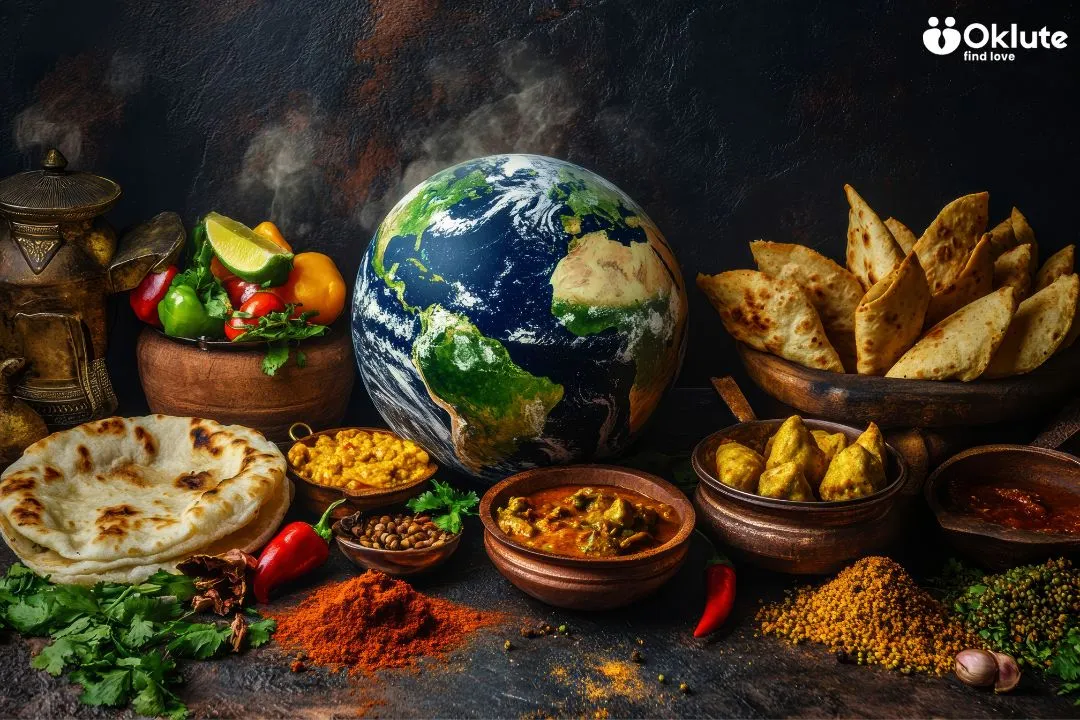
History and Traditions Served on a Plate
Food from any country may reflect its history. For instance, there may be history behind why certain ingredients, culinary methods, and recipes were used in the preparation of foods in the area. Chennai escorts may find these culinary traditions particularly interesting, especially when exploring the cultural stories behind different dishes. This is one of the ways that food evolves but still remains relevant to culture.
Biryani, which is a food eaten widely all across India in many different versions, is an example of the evolution of food due to cultural exchange throughout the ages. The diversity of the various types of pasta found in Italy is another good example.
The family recipes further ensure that these connections are kept alive, allowing for the flavors and the method of cooking to be passed on from generation to generation. This means that food is actually an evolving history, where the cultural memory remains alive through taste.
Geography, Climate, and Local Ingredients
The natural environment has a significant impact on the cuisine of any nation. The climate, soil type, landscape, and natural resources have an effect on the ingredients available and cooking styles developed by the people living there.
Japan, for instance, is characterized by many dishes made from seafood due to the geographical position of the country and its rich history in fishing. In South Asian countries, rice, wheat, lentils, and native vegetables play a prominent role in everyday cooking. On the other hand, many Mediterranean meals include such ingredients as olive oil, vegetables, grains, and herbs.
As one can see, communities tend to develop their cuisine according to the environment. Local ingredients are associated with the identity of certain regions and become a tradition over time. Thus, traditional food reflects the connection of people with their environment.
Food, Festivals, and Community Identity
Food becomes even more important when festivals, religions, weddings, or family events occur. Festivals change food into a way of communicating belongingness and generosity.
Some of the popular sweets include Ladoo and Barfi, which are eaten on special occasions such as the Indian festival of Diwali. For Mumbai escorts, these familiar festive treats can bring back memories of family gatherings and cultural traditions. Mooncake is another example of food that symbolizes unity among Chinese people during the Mid-Autumn Festival. Special dishes that are made on Christmas, Eid, and other festive occasions are indicative of family and traditional customs.
It is not only about the type and taste of food but also what is behind the food. Making a traditional dish becomes a form of remembering, and eating together helps in establishing a connection across different generations.

Globalization and the Evolution of Food Culture
With people moving from place to place due to migration, tourism, and communication, various cuisines interact with one another. Due to the development of restaurants, tourism, and social media, people have come to know of new ways of cooking and thus have gained access to cuisines from all over the world.
Sushi in Western countries, for example, is evidence that even traditional cuisine can become popular outside its place of origin. London escorts interested in exploring global food cultures may find these combinations an exciting way to discover new tastes. Fusion dishes include elements of different cuisines and make people create their own interpretations of traditional foods.
But this kind of interaction brings up another question – how can societies accept innovation in cuisine while preserving their heritage? It is possible by supporting the food producers from your region, collecting recipes, and learning from those who have more experience. Cultural exchange and preservation are not mutually exclusive concepts.
Final Thoughts
Food is one of the best ways to get insight into what makes a country unique. It shows the influence of history, the country’s geography, culture, and its traditions that bind generations together. Even though the foods keep evolving, the importance of the culture associated with food still comes from the experience of those who cook and consume it. In the end, every dish has much more than taste. It gives insight into the national identity.