
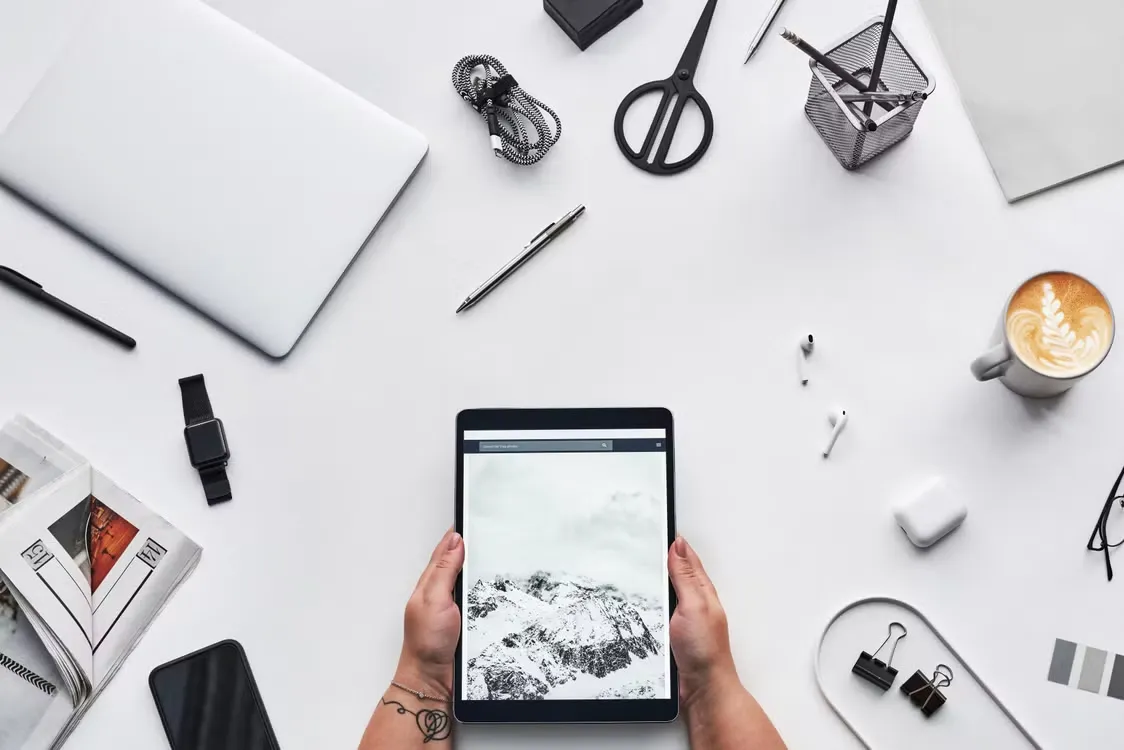
Connected living is no longer limited to smart homes or office tools. In 2026, people use one device to manage work, entertainment, messages, shopping, travel, and home systems.
Tablets fit that role well. They are portable, easy to share, and large enough for real tasks. For many people, the tablet has become the screen that connects daily life.
A Better Screen for Daily Work
Work is more flexible in 2026, and tablets help people stay productive without staying tied to a desk. With a keyboard case, cloud apps, and video call tools, a tablet can handle emails, documents, notes, calendars, spreadsheets, and presentations.
The larger screen makes a difference. You can review a document while answering messages. You can join a meeting while checking notes. You can edit a schedule, update a task list, or approve a file without opening a laptop.
For remote workers, freelancers, students, and business owners, this creates a smoother routine. The tablet becomes a portable command center that moves from home to cafe to airport lounge without much setup.
Entertainment in One Place
Entertainment is another reason tablets remain useful. A phone works for short videos, but a tablet feels better for movies, shows, games, books, magazines, and music apps.
In 2026, streaming platforms, cloud gaming services, and reading apps are built for bigger mobile screens. Users can download content before flights, watch shows in bed, follow recipes in the kitchen, or play games while relaxing.
Tablets also support shared entertainment. Families can watch together, children can use learning games, and friends can browse travel videos or restaurant menus on one screen. It feels more social than passing around a phone.
Some users also enjoy casual digital games and online entertainment during downtime. For example, Online Bingo Rooms can fit naturally into a quiet evening at home or a relaxed break while traveling, as long as users follow local rules and play responsibly.
Communication That Feels Easier
Communication is central to connected living. People switch between messaging apps, email, video calls, group chats, shared calendars, and social platforms throughout the day.
A tablet makes this easier because it gives conversations more space. Video calls feel more comfortable. Long emails are easier to read. Group chats, shared photos, and planning apps are less cramped than they are on a phone.
This matters for families, work teams, and long-distance relationships. A tablet can sit on a kitchen counter during a call, stand on a desk during a meeting, or rest beside you while you plan a trip with friends.
It also helps older adults and children stay connected. The screen is easier to see, touch controls are simple, and apps can be arranged in a way that feels less confusing.
Shopping With More Confidence
Shopping has become more connected too. People compare prices, read reviews, watch product videos, check delivery times, and manage digital payments from one device.
Tablets are useful because they make online shopping more visual. You can see clothing details, furniture sizes, product photos, color options, and customer reviews more clearly. Split-screen tools also let you compare two stores, check a budget app, or read a return policy while shopping.
Augmented reality shopping features also work well on tablets. You can preview furniture in your room, test decor styles, or view products at a larger scale. This helps reduce guesswork, especially for home items and higher-cost purchases.
For groceries and household needs, tablets can also connect with smart lists, delivery apps, and meal planning tools. You can build a weekly menu, check what you already have, and order missing items from the same screen.
Smart Devices at Your Fingertips
Smart homes are becoming more common, and tablets are often used as control panels. One tablet can manage lights, speakers, cameras, doorbells, thermostats, robot vacuums, and appliances.
This makes everyday routines easier. You can dim lights while watching a movie, check a camera feed, adjust the air conditioning, play music, or start a cleaning schedule without moving around the house.
Tablets also help because they can be shared by the household. A wall-mounted or counter-based tablet can act as a family dashboard, showing reminders, shopping lists, calendars, weather, and smart device controls.
In 2026, more homes are designed around this kind of simple access. The tablet becomes less of a personal gadget and more of a shared control point.
Connected Resorts and Travel Spaces
Connected lifestyles do not stop at home. Hotels, airports, malls, and casino resorts are also building more digital experiences.
Casino resorts are strong examples because they often combine rewards, dining, hotels, shows, shops, spas, and events in one environment. Guests may use apps or digital systems to check room details, browse restaurant options, view event schedules, track rewards, book experiences, and receive offers.
.
Why Tablets Still Matter
Tablets support connected lifestyles because they sit between phones and laptops. They are more comfortable than phones for complex tasks, but lighter and more casual than laptops.
In 2026, that middle space matters. People want devices that can shift between work, play, shopping, communication, and home control without adding friction.
A good tablet helps you manage more of your life from one screen. That is why it remains one of the most practical devices for modern connected living.